Discover Mississauga top Windshield Repair for Chip Repairs
Discover Mississauga top Windshield Repair for Chip Repairs
Blog Article
Trustworthy Windshield Repair Services for Safe and Clear Travel
Reliable windshield restoration solutions play an essential role in ensuring safe and clear driving. Timely attention to damage and fractures can prevent further damage and preserve automobile structure. Professional technicians utilize cutting-edge methods, often completing repairs quickly. However, knowing when to seek these services and grasping the procedure can be complex. This creates vital concerns about security and standards. What factors should drivers evaluate when selecting a service supplier?
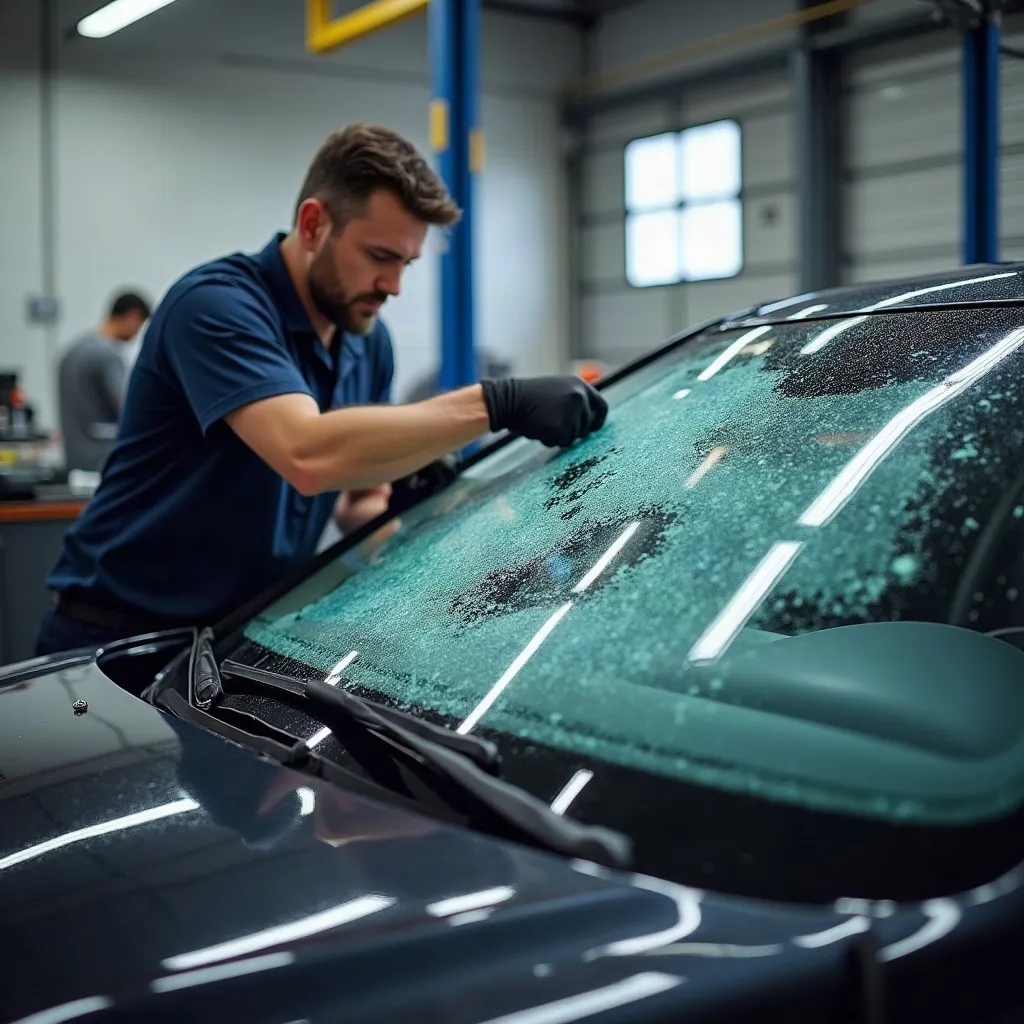
When Is It Time to Call Auto Glass Repair Specialists?
When should one consider getting windshield repairs done? This question often comes up when drivers notice deterioration, such as chips or cracks, on their windshields. A timely response is essential; delaying repairs can exacerbate existing issues. Factors influencing the decision include the size and location of the damage. Small chips located away from the driver's line of sight may seem less urgent, yet even small imperfections can undermine the structural integrity of the windshield. Additionally, environmental conditions, such as temperature fluctuations and moisture, can aggravate fractures over time. Drivers should also consider the potential effect on sight and protection while driving. Moreover, many insurance policies cover windshield repairs, making it a cost-effective choice. Ultimately, seeking professional repair services quickly can ensure secure driving environments and prolong the lifespan of the windshield. Recognizing these factors can help individuals make informed decisions regarding windshield maintenance.
Warnings You Need Glass Restoration Without Delay
Identifying the signals that demonstrate an pressing requirement for windshield repair is important for well-being. Cracks or chips, compromised sight while navigating, and compromised structural integrity can substantially impact a automobile's operation. Handling these issues without delay can prevent further damage and ensure protected driving circumstances.
Breaks or Chips Evident
Visible cracks or chips in a windshield often signal an urgent requirement to fix it. These imperfections can damage the overall strength of the glass, making it more prone to further deterioration. Even tiny breaks can expand due to thermal shifts or vibrations from driving, developing into larger breaks that may obstruct the driver's view. Additionally, breaks can weaken the windshield, increasing the likelihood of shattering during a collision. It is wise for vehicle owners to address these issues promptly, as avoiding repairs can lead to costly replacements and safety hazards. Regular inspections, especially after adverse weather or road debris incidents, can help identify these issues early and guarantee safe driving conditions.
Reduced Vision During Car Operation
How might a driver safely manage the roadway with impaired visibility? The key is recognizing the signs that indicate a need for immediate windshield repair. When a driver experiences glare from the sun’s rays or headlights reflecting off damage, it can greatly hamper their ability to see the road clearly. Moreover, if rainwater collects in cracks or chips, it may skew vision, resulting in dangerous driving conditions.
Drivers should be conscious about streaks or smudges that cannot be wiped away, as these can continue to impair vision. Immediate maintenance of any windshield defects is crucial; bypassing these warnings not only puts safety at risk but also heightens the probability of more extensive repairs needed later.
Undermined Structural Integrity
When a windshield sustains harm, the structural soundness of the vehicle can be weakened, leading to serious safety risks. The windshield plays a vital role in maintaining the vehicle's general durability, especially during crashes. Fractures or dents can weaken this barrier, making the vehicle less capable of withstanding impacts. Indicators requiring prompt repair work include noticeable fractures spanning the windshield, substantial damage spots, or any warping affecting the driver's line of sight. Furthermore, if the windshield appears to be loose or if water leaks into the cabin, these suggest additional problems. Swift response to these indicators is essential to restore safety and ensure that the vehicle can function properly in an collision, preserving passenger protection.
What Transpires During a Windshield Fix?
Throughout a windshield repair, technicians examine the damage at first to evaluate its magnitude and establish the appropriate repair method. Following the inspection, the repair work entails several steps to maintain the integrity of the glass. At the end, a post-repair quality check guarantees that the repair work exceeds safety standards and upholds visibility.
Evaluation of Destruction
A thorough review of harm is an essential starting step in the windshield restoration operation. Technicians inspect the windshield closely to assess the scope and quality of the harm. They look for cracks, chips, and any tokens of fragmentation to establish if the windshield can be repaired or needs replacement replacement. This evaluation includes measuring the extent and span of the damage, as well as its position. Aspects such as nearness to the edges and the driver's visual range are also considered. Moreover, the technician checks for any issues that might affect the repair, such as moisture or debris within the cracks. This rigorous inspection establishes that the subsequent repair process is both productive and safe.
Fix Procedure Steps
The windshield repair procedure advances in an organized manner, starting with the technician getting ready the damaged area. This step includes cleansing the surface to remove dirt and debris, ensuring a secure bond. Following that, the technician evaluates the size and depth of the damage to select the correct repair method. They then inject a special resin into the crack or chip, filling it completely to restore structural integrity. The resin is hardened using ultraviolet light, which solidifies it and makes it transparent, harmonizing with the existing glass. Post-curing, the technician carefully removes any extra resin and polishes the surface for a smooth finish. This detailed process aims to improve visibility and maintain the vehicle’s safety while reducing the risk of further damage.
Post-Repair Quality Assurance
Once the repair process concludes, the technician executes a detailed post-repair quality check to verify the integrity and clarity of the windshield. This step includes assessing the repaired area for any imperfections or air pockets that may compromise visibility. The technician assesses the adhesive bond to confirm it has hardened sufficiently, providing structural support. Additionally, they may use advanced tools to evaluate the repair's performance, ensuring that it meets industry standards. The technician also checks the alignment of the windshield, confirming it is correctly positioned within the frame. Finally, they may clean the glass surface, eliminating any residue or streaks, which maximizes clarity. This meticulous quality check is essential for driver safety and guarantees customer satisfaction with the repair.
Why Qualified Windshield Repair Is Advantageous Than DIY
Why rely on a DIY method for windshield repair when certified experts offer precision and expertise? Professionals demonstrate extensive training and experience that enable them to address and assess various types of damage effectively. Unlike DIY approaches, which may use trial and error, skilled technicians utilize advanced tools and techniques to revitalize the windshield's clarity and structural integrity.
In addition, expert restorations often feature warranties, supplying peace of mind that do-it-yourself approaches don't. The risk of improper restoration is major; a defectively repaired windshield can endanger protection throughout travel and lead to further harm. In addition, specialists follow professional standards, ensuring the repair meets safety requirements.
By comparison, DIY fixes may inadvertently aggravate the damage or produce new issues, causing expensive repairs. In the end, selecting professional windshield repair is a sensible decision, offering safety and clarity while on the road.
How to Pick a Trusted Windshield Repair Provider
How can a person locate a trustworthy windshield repair provider? First, individuals should seek recommendations from friends, family, or online reviews. A provider with favorable reviews and excellent scores often indicates reliability and quality service. Next, verifying qualifications and certifications is crucial; professionals should be certified by organizations such as the National Windshield Repair Association.
Furthermore, openness in pricing and services offered helps build trust. A trustworthy provider will provide a detailed estimate free from hidden fees. It's also advantageous to inquire about the kinds of materials used, as high-quality adhesives and glass can affect safety and durability.
Ultimately, consider the provider's warranty on repairs, which indicates trust in their work. By adhering to these guidelines, individuals can make informed decisions, guaranteeing they choose a provider who prioritizes customer satisfaction and safety.
What to Consider When Your Windshield Is Being Repaired?
When a windshield repair is arranged, the car proprietor can anticipate a simple process that prioritizes effectiveness and safety. To start, a specialist assesses the harm, determining whether a fix is viable or if a replacement is required. This evaluation encompasses checking the size and location of the break or crack, making certain it doesn't block the driver's view.
After deeming it fixable, the technician prepares the area by cleaning it and applying a distinctive resin. This resin is injected into the affected area, effectively closing it and restoring structural soundness. The process usually takes about 30 minutes to an hour, based on the damage extent.
After the service, the specialist may provide guidance on what to circumvent immediately, such as drastic temperature fluctuations. To summarize, the process seeks to reduce inconvenience while ensuring the vehicle is safe for continuous use. The effect is a more transparent and more secure windshield, improving the road experience.
Looking After Your Windshield Post-Restoration
Following a windshield repair, it is important to maintain the integrity of the repair for long-term safety and clear sight. To assure peak performance, the vehicle owner should avoid harsh cleaning chemicals and rough substances, as these may damage the repaired area. Using mild soap and water with a soft cloth is recommended for routine cleaning.
Moreover, it is recommended to give a minimum of 24 hours before exposing the windshield to heavy rain or extreme temperatures. This facilitates the bonding agent to harden completely. Regularly checking the windshield for any signs of new damage is also important; immediate care to damage spots can avoid additional problems.
In the end, parking in shaded spots can minimize thermal impact on the glass, preserving the repair. By adhering to these recommendations, drivers can maintain their windshield's transparency and structural integrity, promoting a more protected driving experience.
Frequently Requested Questions
How much time Does a Typical Windshield Repair Take?
A conventional windshield restoration lasts about 30 to 60 minutes. Influences shaping how long the repair lasts include the size and location of the damage, as well as the expert's experience and the targeted restoration approaches engaged.
Does My Insurance Handle Windshield Repair Costs?
Insurance protection for windshield repair costs differs by policy. Many providers include this service, often with no deductible. It is recommended for individuals to verify with their insurance check this company for specific details regarding their coverage.
Can I Travel My Vehicle After a Windshield Restoration?
Once a windshield repair is completed, it is typically secure to drive your car. However, it's recommended to refrain and let the cement cure, usually at least an hour, guaranteeing strong bonding and protection during your drive.
What Classes of Damage Can Be Corrected?
Windshield damage that is able to be repaired encompasses small chips, cracks up to a specific length, and star breaks. Repairs are generally workable if the damage is within the driver's line of sight and not extensive.
What Measures Can I Take to Prevent Windshield Deterioration Going Forward?
To minimize future windshield damage, maintain a safe distance from vehicles, avoid driving on unpaved roads, regularly inspect for chips, and park in shaded areas to minimize temperature fluctuations that can weaken the glass.
Report this page